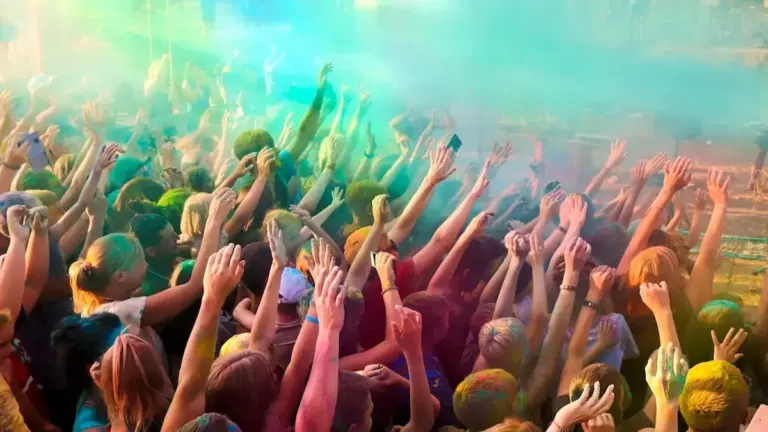
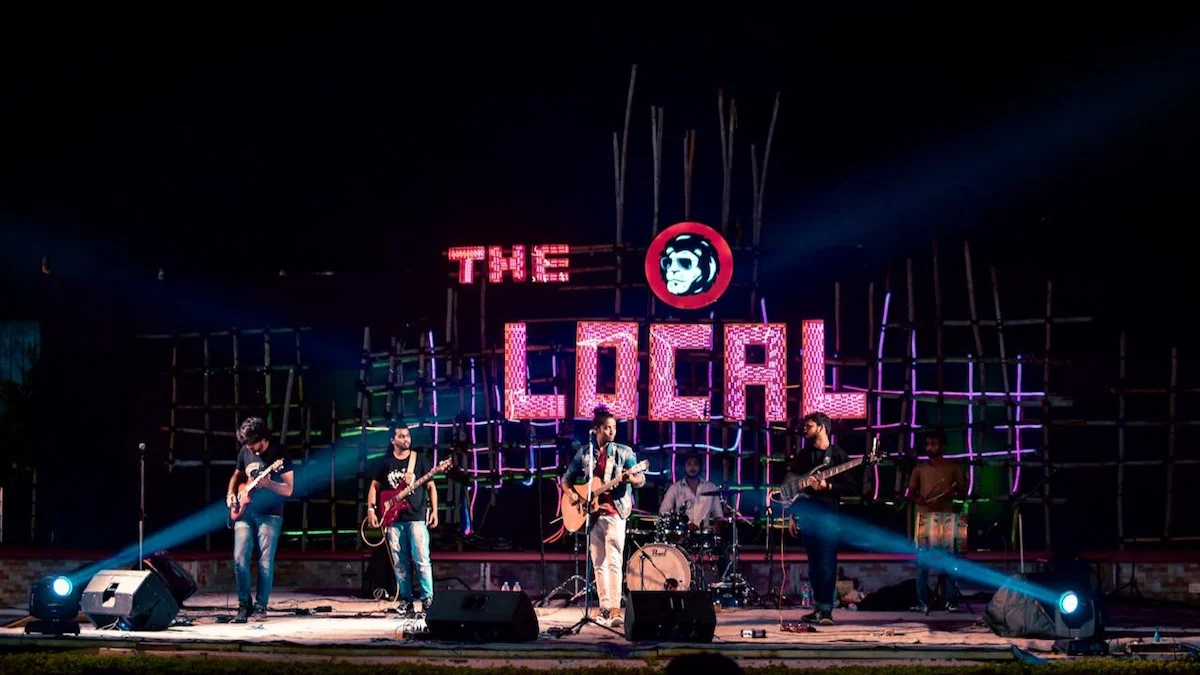
For years, the conversation around India’s music industry focused largely on streaming numbers and viral hits. But behind the growth of digital music, another major shift has been taking place. Across the country, the live music scene is expanding at a remarkable pace.
Independent concerts, touring circuits, music festivals, and intimate venue shows are becoming more common in cities that previously had limited live music culture. From packed indie gigs in Mumbai and Delhi to growing scenes in cities like Bangalore, Pune, Shillong, and Hyderabad, live performance is becoming one of the most important pillars of the modern Indian music ecosystem.
For independent artists especially, the stage is becoming just as important as the streaming platform.
Why Live Music Is Growing So Quickly
Several factors are driving the current boom in live music across India. One of the most important is the growing audience for independent artists. Over the past decade, listeners have become more comfortable discovering artists outside the Bollywood ecosystem. Streaming platforms have made it easier for audiences to build personal connections with artists, and those digital connections often translate into demand for live performances.
Another factor is the rise of music festivals and curated concert series. Events like NH7 Weekender, Lollapalooza India, and smaller independent festivals have helped normalize the idea of paying to see live music that is not tied to film promotions. These events expose audiences to multiple genres, from indie pop and hip-hop to electronic music and regional sounds.
As more fans attend festivals, they also become more interested in attending smaller concerts and venue shows throughout the year.
Independent Artists Are Driving the Movement
Unlike earlier eras where live concerts were dominated by Bollywood singers or legacy rock acts, today’s live circuit is increasingly powered by independent artists.
Musicians such as Prateek Kuhad, Anuv Jain, Divine, and When Chai Met Toast regularly sell out venues across major cities. Many of these artists built their audiences through streaming platforms and social media before stepping onto larger stages.
This shift highlights an important change in how artists build careers in India. Instead of waiting for radio hits or film placements, artists can grow their fanbase online and then take that audience on the road.
Touring has become both a revenue stream and a community-building tool.
The Rise of New Live Music Cities
While Mumbai, Delhi, and Bangalore remain major hubs, the live music boom is no longer limited to India’s biggest metros. Cities like Pune, Goa, Chandigarh, Shillong, and Kochi are developing strong local scenes with independent venues and regular concerts.
Shillong, in particular, has long been known for its strong music culture. Over the past few years, more touring artists have begun including the city in their routes, recognizing its engaged audience and vibrant local community.
This decentralization is important for the long-term growth of India’s live music ecosystem. When artists can tour across more cities, the economics of touring become more sustainable.
Instead of relying on one or two large shows, musicians can build multi-city tours that strengthen their fanbases across the country.
Venues and Promoters Are Evolving
Another reason for the growth of live music is the emergence of dedicated promoters and venues that focus on independent music.
Smaller clubs, creative spaces, and community venues are increasingly hosting gigs for emerging artists. These spaces allow musicians to perform regularly, experiment with new material, and connect directly with listeners.
Promoters are also becoming more sophisticated in how they market shows. Social media campaigns, targeted advertising, and collaborations with local communities are helping independent concerts reach the right audiences.
The result is a more organized live music infrastructure than India had a decade ago.
Live Music Is Becoming Essential for Artists
For independent musicians, live performance is no longer optional. It is becoming a central part of building a sustainable career.
Streaming can generate discovery, but concerts create deeper connections with fans. When audiences attend a show, they experience the music in a way that goes beyond headphones or playlists. That emotional connection often turns casual listeners into long-term supporters.
Live shows also create opportunities for artists to sell merchandise, test unreleased music, and build their reputation within the industry.
As the indie ecosystem continues to mature, artists are increasingly thinking about their careers as a balance between digital presence and live performance.
Distribution platforms and artist services also play a role in supporting this ecosystem. When artists release music through distributors like Ziddi, their songs become available across streaming platforms, helping them reach listeners in different cities. Those listeners often become the audience that shows up when the artist announces a tour.
In this way, streaming and live performance feed into each other.
What the Future Looks Like
We do need to understand one thing that India’s live music boom is still in its early stages. Compared to markets like the United States or Europe, the country still has relatively few dedicated music venues and touring circuits. But the trajectory is clearly upward.
As more artists release independent music, more promoters organize shows, and more audiences embrace concert culture, the live music ecosystem will continue to expand.
For India’s independent music community, the stage is becoming a powerful space. It is where artists turn online listeners into real fans, where scenes form around shared musical identities, and where the future of the country’s music culture is being shaped in real time.
The next chapter of Indian music will not only be heard through streaming platforms. It will be experienced in packed rooms, festival grounds, and late-night gigs across the country.