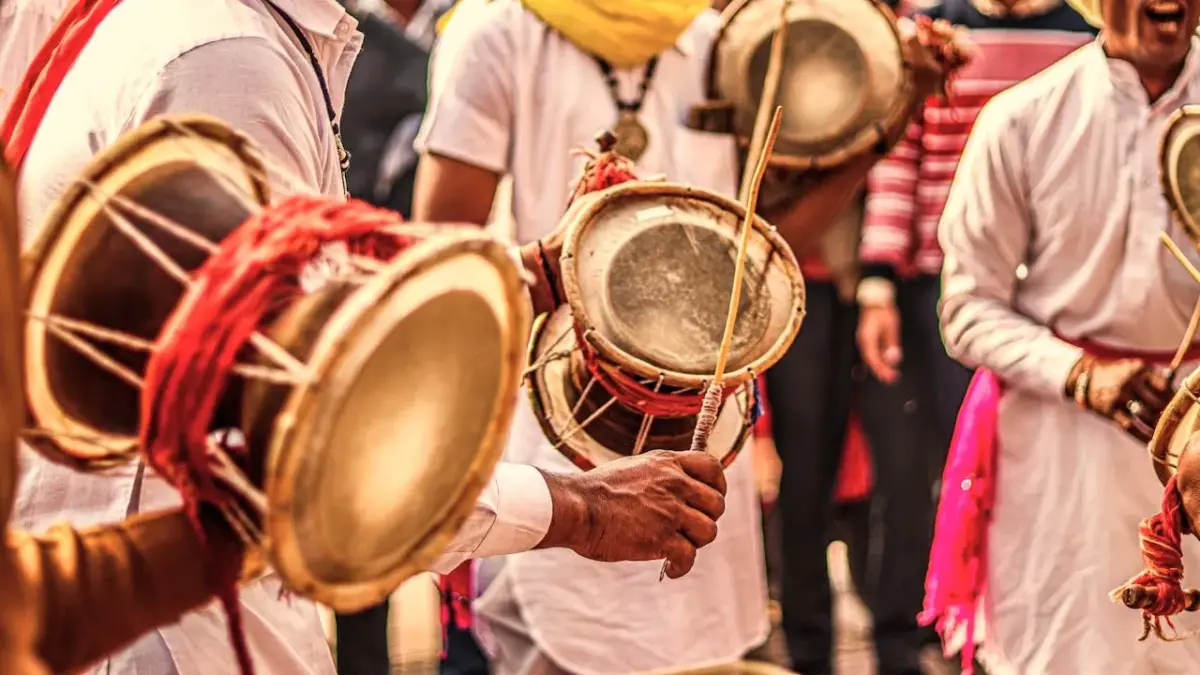
For years, the conversation around India’s independent music scene was dominated by English or Hindi indie pop. But over the past few years, a new wave of regional indie artists has begun reshaping the landscape. From Tamil rap and Punjabi pop to Assamese folk fusion and Malayalam alternative music, regional languages are becoming one of the fastest-growing segments of India’s independent music ecosystem.
Streaming platforms have played a major role in this shift. According to Spotify data, Indian artists were discovered more than 11.2 billion times by first-time listeners globally in 2024, reflecting a 13 percent increase from the previous year.
At the same time, local artists now dominate streaming charts in India. More than 90 percent of tracks in Spotify India’s Daily Top 50 in 2024 were by Indian artists, highlighting how domestic music is driving the country’s listening culture.
Much of that growth is coming from regional scenes!
Regional Artists Are Finding Massive Online Audiences
The streaming era has allowed artists from smaller cities and regional scenes to build audiences without relying on film music or traditional industry gatekeepers.
Tamil hip-hop artist Paal Dabba is one example of this new wave. His 2024 track “Kaathu Mela” went viral on social media and entered the Spotify India charts, while another song from the Malayalam film Aavesham crossed 30 million streams across platforms.
Similarly, Goa-based indie pop and rap artist Tsumyoki has gained international attention with tracks like “Pink Blue,” which has accumulated millions of streams on Spotify, blending Indian pop with global trap and afropop influences.
These artists represent a generation that does not rely on Bollywood visibility to grow. Instead, they build audiences through streaming platforms, social media communities, and regional fanbases.
Even artists who later break into mainstream markets often begin within regional indie circuits. Pop singer-songwriter Anuv Jain, for instance, built his career independently before becoming one of India’s most streamed indie artists. His song “Husn” crossed 300 million streams across platforms within months of release, demonstrating the scale independent music can reach today.
Across platforms, artists like Mitraz, Talwiinder, and Aditya Rikhari have also gained millions of listeners through independent releases rather than film soundtracks.
Regional Language Music Is Growing Rapidly
The rise of regional indie artists is not just anecdotal. Distribution data shows clear growth across multiple languages.
A report from TuneCore India found that Punjabi and Tamil music releases have tripled in the past five years, while Hindi releases increased twelvefold during the same period.
This surge reflects how independent artists are increasingly choosing to write and perform in their native languages rather than switching to Hindi or English to reach larger audiences.
Streaming platforms have supported this change by recommending music based on listening behavior rather than language. As a result, a Punjabi track, Tamil rap song, or Assamese indie release can travel far beyond its regional origin.
The Role of Distributors in Supporting Regional Talent
Another factor behind the rise of regional indie artists is the growth of digital music distribution.
Major labels such as Sony Music India, Universal Music India, and Warner Music India continue to work with established artists and high-profile releases. But the expansion of India’s indie scene has also been supported by distribution platforms that allow emerging musicians to release music independently.
At the same time, independent distribution companies such as Ziddi, Tunecore, Madverse, Songdew, Distrokid, and more are focusing specifically on helping independent artists release music across streaming platforms while maintaining ownership and creative control.
These services have lowered the barriers to entry for regional musicians who may not have access to major label networks. Instead of needing label deals to distribute music internationally, artists can now upload their songs to global streaming platforms within days.
Regional Scenes Are Becoming the Future of Indie
In the past, the independent scene was often concentrated in a few urban centers such as Mumbai, Delhi, and Bangalore. Today, new artists are emerging from cities and regions across the country, bringing local languages, cultural influences, and musical traditions into modern production styles.
For listeners, this means a far more diverse music landscape. For artists, it means the possibility of building a career without leaving their regional identity behind.
As streaming platforms continue to expand and distribution becomes more accessible, the next wave of India’s breakout indie artists may not come from traditional industry hubs. They may come from regional scenes that are only just beginning to gain national attention.