
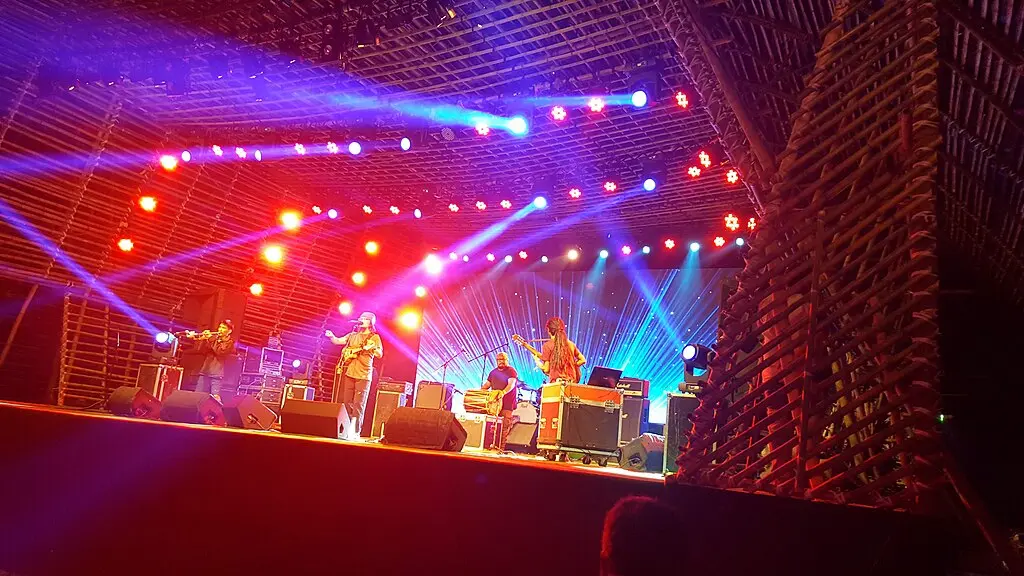
The government of Arunachal Pradesh is exploring a potential collaboration with Spotify aimed at giving the state’s musicians greater national and global visibility. The proposal reflects a growing recognition that digital platforms now play a central role in shaping how regional music reaches audiences.
If formalised, the partnership would focus on spotlighting artists from Arunachal Pradesh through curated playlists, platform campaigns, and potentially training initiatives designed to help musicians navigate the streaming ecosystem.
Expanding Regional Representation
Arunachal Pradesh has a rich and diverse musical culture shaped by its many tribes, languages, and traditions. Despite this depth, artists from the region have historically received limited exposure compared to performers from larger music markets such as Mumbai, Delhi, or Chennai.
Streaming platforms have increasingly become gateways to discovery. A structured partnership could help bridge the gap between local talent and wider audiences by integrating regional music into national and international recommendation systems.
For Spotify, deeper engagement with regional ecosystems aligns with its broader localisation strategy in India. Regional language content has become one of the fastest growing segments in the country’s streaming market. Platforms that successfully integrate vernacular music into mainstream discovery channels tend to see stronger user retention and engagement.
Digital Access as an Economic Opportunity
Greater platform visibility can translate into more than just streams. For independent artists, digital reach often leads to increased live performance opportunities, collaborations, and brand partnerships. Access to streaming analytics also allows musicians to understand where their listeners are located and how their music is being consumed.
A partnership could also include workshops or digital literacy programs that help artists better understand metadata optimisation, release strategies, and audience development in a streaming driven environment.
A Broader Industry Pattern
This development reflects a wider shift in India’s music industry. Regional scenes are no longer peripheral to growth. They are central to it. As streaming platforms compete for the next wave of users, expanding into culturally distinct markets is both a commercial and strategic priority.
If the Arunachal Pradesh collaboration moves forward, it could serve as a template for similar initiatives in other states seeking to elevate local music within the national and global streaming framework.
The outcome will depend on how the partnership is structured, but the direction is clear. Regional music is increasingly seen not as niche, but as essential to India’s evolving digital music economy.