India’s music streaming market is no longer an emerging story. It is a growth story backed by hard numbers, expanding infrastructure, and shifting consumer behaviour. With smartphone access widening and mobile data remaining affordable, streaming has become one of the most common digital habits in the country.
Recent industry projections point to sustained expansion in both user engagement and revenue over the next decade. For independent artists, the opportunity is clear. The challenge is making sure that market growth translates into meaningful income.
The Scale of the Market
Industry estimates place the value of India’s music streaming market at approximately USD 1.72 billion in 2025. Forecasts suggest a compound annual growth rate of around 13.82 percent between 2026 and 2034. If those projections hold, the market could reach roughly USD 5.52 billion by the end of that period.
Separate analyses also anticipate steady revenue growth through 2030, placing India firmly among the largest streaming markets globally.
At this scale, growth tends to attract deeper investment in content acquisition, royalty systems, data infrastructure, and artist development initiatives. Expansion of the market increases opportunity, but it does not guarantee equitable distribution.
What Is Driving Expansion
Several structural factors are shaping this trajectory like:
Smartphone penetration continues to expand, bringing streaming access to listeners beyond major metropolitan centres. Smaller cities and towns are increasingly contributing to total listening hours.
Affordable data plans remain a defining advantage. Low data costs allow frequent streaming without significant financial strain, which supports daily listening habits across income segments.
Subscription adoption is gradually rising. More users are opting for paid plans that offer ad free listening, offline access, and improved audio quality. Paid streams typically generate higher royalty payouts than ad supported streams, making subscription growth especially relevant for artists.
Telecom bundling also plays a significant role. Music subscriptions are often included with mobile or broadband plans, introducing new listeners who may not have actively sought out a streaming service on their own.
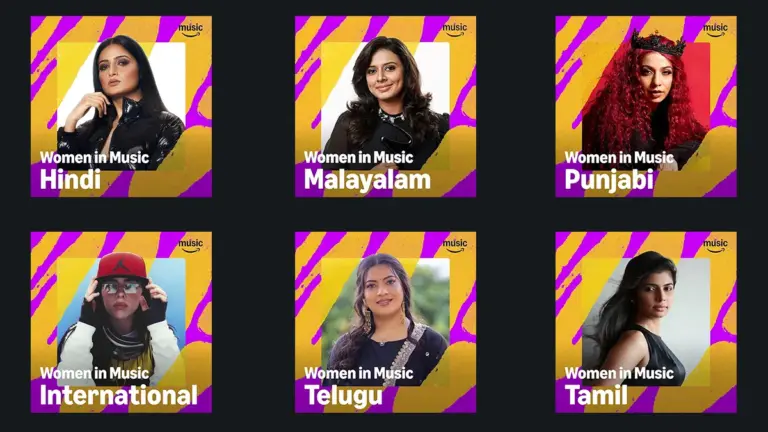
Regional and vernacular content investment has accelerated. Platforms are expanding local language catalogues in Tamil, Telugu, Punjabi, Bengali, Marathi and other languages. This shift reflects audience demand and creates direct opportunity for artists working outside Hindi or English mainstream markets.
Revenue Patterns and Artist Payouts
The increasing weight of subscription revenue is one of the most important structural shifts in the market. A streaming economy that relies more heavily on subscriptions than advertising tends to generate stronger per stream payouts over time.
Paid tiers deliver predictable revenue that flows back to rights holders through established royalty mechanisms. As the subscriber base expands, artists may benefit even if their play counts grow steadily rather than exponentially.
Free tiers continue to function as discovery tools. They introduce new audiences to music and support scale. However, long term income growth for artists is more closely tied to how effectively platforms convert free listeners into paying subscribers.
The Competitive Landscape
India’s streaming ecosystem includes global platforms such as Spotify, Apple Music, and Amazon Music alongside domestic services like JioSaavn and Gaana. Each platform approaches independent artists differently.
Some offer direct upload programs. Others rely primarily on third party distributors. Editorial playlist support varies, as does algorithmic discovery. As competition intensifies, platforms are likely to invest further in regional programming, curated campaigns, and independent artist initiatives.
For musicians, platform diversity can create leverage. Competition often leads to better tools, more playlist opportunities, and targeted promotional programs.
What Independent Artists Should Track
As the market expands, certain indicators will matter more than headline revenue numbers.
Royalty rate trends will determine whether subscription growth meaningfully improves artist income. Monitoring how payout structures evolve will be critical.
Platform direct initiatives, including simplified upload systems and promotional dashboards, may reduce dependence on intermediaries and improve margins for independent musicians.
Regional language demand remains one of the most powerful structural drivers. Platforms are actively building audiences in non metro regions. Artists aligned with that demand may find a receptive and expanding listener base.
India is on track to become one of the world’s largest music streaming markets. The scale of growth is not in doubt. The distribution of its benefits is still being shaped. For independent artists who understand the mechanics of the system, the coming decade offers opportunity that is substantial but not automatic.