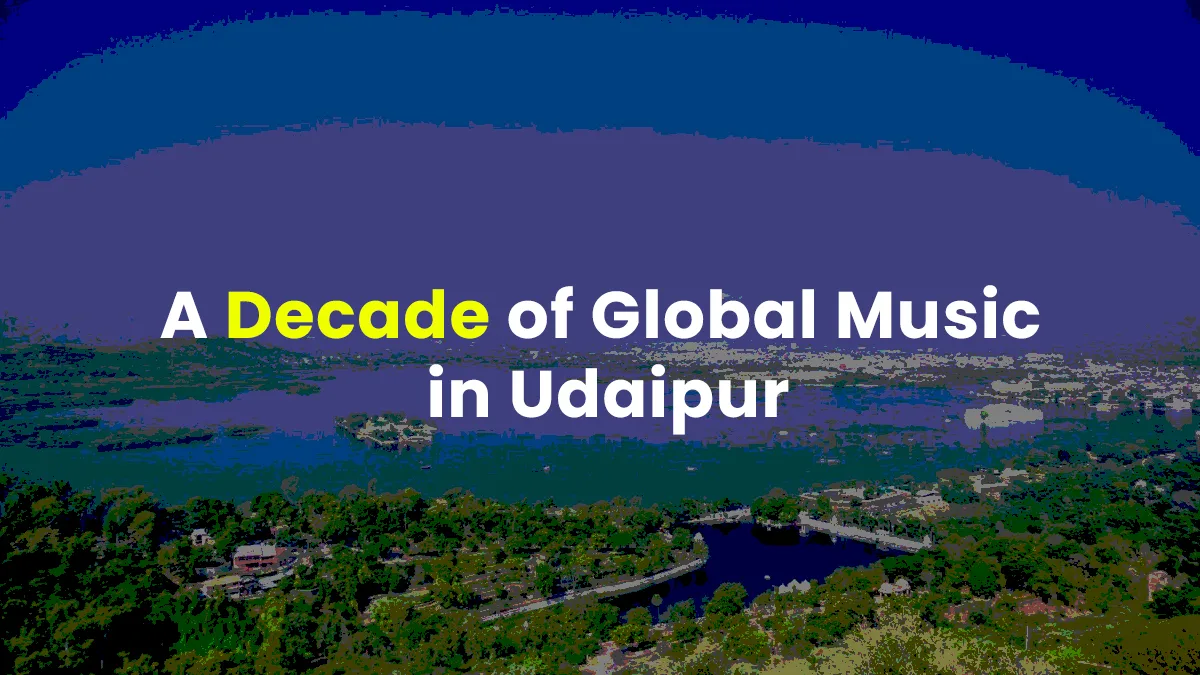
The Udaipur World Music Festival 2026 marked a major milestone as the event celebrated its 10th anniversary, reinforcing its position as one of India’s most distinctive global music gatherings.
Held between February 7 and February 9, 2026, the festival returned to multiple iconic venues across Udaipur, including Fateh Sagar Paal, Gandhi Ground, and Manji Ka Ghat. Over the years, the festival has built a reputation for combining international acts with Indian artists in a setting that blends music with heritage architecture and open public spaces.
Organized by Seher, the festival has remained unique in its approach, offering free entry to audiences, making global music accessible to a wide and diverse crowd.
A Diverse Lineup Across Cultures
The 2026 edition featured a wide range of artists from across the world, continuing the festival’s tradition of cultural exchange through music.
Performers from countries including Spain, France, Hungary, and several African nations shared the stage with Indian artists representing folk, indie, and fusion genres. The programming emphasized cross-cultural collaboration, with many performances blending traditional sounds with contemporary styles.
Indian artists also played a significant role in the lineup, reflecting the growing strength of the country’s independent and regional music scenes. The festival has historically served as a platform for artists who operate outside mainstream film music, making it an important space for indie musicians.
A Festival That Bridges Local and Global
Since its launch in 2016, the Udaipur World Music Festival has focused on creating a dialogue between global and local music traditions. Over the past decade, it has hosted hundreds of artists from more than 20 countries, drawing audiences that range from local residents to international visitors.
The festival’s open-access model has helped it stand out in India’s live music ecosystem. Unlike many ticketed festivals concentrated in metro cities, Udaipur’s format encourages broader participation and community engagement.
This approach has also helped introduce audiences to genres and artists they might not otherwise encounter, from traditional world music ensembles to experimental indie acts.
Growing Importance in India’s Live Music Circuit
As India’s live music scene continues to expand, festivals like Udaipur World Music Festival are becoming increasingly important.
While large commercial festivals often focus on mainstream or high-profile acts, Udaipur has carved out a niche by prioritizing diversity and discovery. This aligns with broader industry trends where audiences are showing greater interest in independent and global sounds.
The festival’s longevity also reflects the growing sustainability of live music events in India. Reaching the 10-year mark is a significant achievement in a market where many festivals struggle to maintain continuity.
What It Means for Independent Artists
For independent musicians, festivals like Udaipur World Music Festival provide valuable opportunities for exposure and collaboration.
Performing alongside international artists allows Indian musicians to reach new audiences and engage with different musical traditions. At the same time, the festival’s inclusive programming creates space for regional and indie artists who may not have access to larger commercial stages.
As the independent music ecosystem grows, these platforms become increasingly important in connecting artists with both live audiences and industry networks.
Distribution and streaming continue to play a complementary role in this ecosystem. Artists releasing music through platforms such as Ziddi, Tunecore, Madverse, Songdew, Horus Music India, an so on can build digital audiences that later translate into live performance opportunities at festivals like this.
A Decade That Reflects a Changing Industry
The 10th edition of the Udaipur World Music Festival arrives at a time when India’s music industry is undergoing significant transformation.
Streaming platforms, independent releases, and regional scenes are reshaping how music is created and consumed. At the same time, live events are becoming central to how audiences experience music.
The festival’s journey over the past decade mirrors these changes. What began as a niche cultural event has grown into a key fixture in India’s live music calendar.
As it enters its second decade, the Udaipur World Music Festival continues to highlight a simple but powerful idea: music, when shared across cultures and communities, can create connections that extend far beyond the stage.