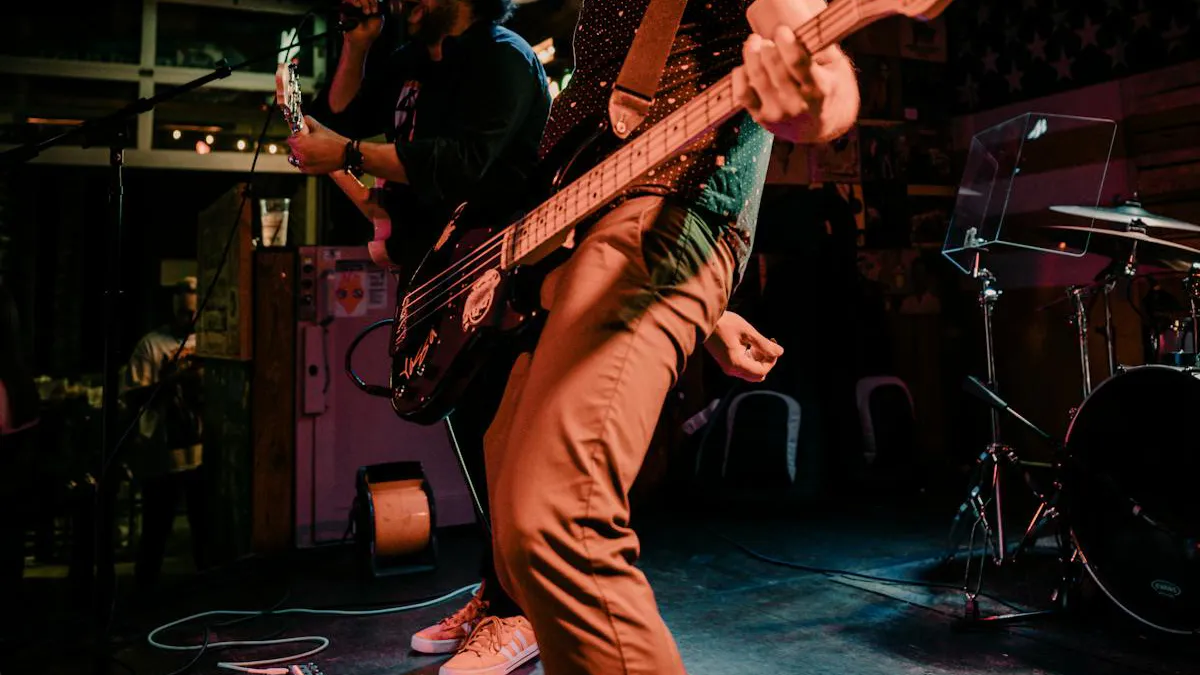
Mumbai, New Delhi, and Bengaluru no longer hold a monopoly on the domestic touring circuit. Event promoters and independent booking agents are actively routing multi-city tours through locations like Shillong, Indore, Kochi, and Lucknow. This geographical shift responds to saturated metro markets and a measurable surge in inter-city concert travel.
A recent Ministry of Information and Broadcasting whitepaper indicates nearly half a million fans traveled between cities specifically for live music events in the 2024-2025 season. Audiences treat live music as a primary driver for domestic tourism. Major international tours recognize this demand. The Scorpions booked Shillong for their April 2026 run, placing a tier 2 city directly alongside their arena dates in Bengaluru and Mumbai. As global acts and established domestic bands lock down dates in these secondary markets, the infrastructure supporting live entertainment is adjusting rapidly.
The Local Economic Impact
Bringing a 5,000-capacity show to a mid-sized city alters the immediate local economy. Current hospitality data estimates that a single concert weekend injects between ₹5 crore and ₹15 crore into a tier 2 market. This revenue flows directly into local hotels, transit systems, and restaurants.
The hotel sector in these cities reports occupancy spikes of up to 80 percent during major gig weekends. Standard leisure tourists prioritize budget rates. Concert attendees book rooms strictly based on proximity to the venue and accept higher pricing. The government officially recognizes this intersection of creative events and local commerce as the “Orange Economy.” When independent promoters realize they can sell out a mid-sized venue in Chandigarh with less overhead than renting a club in South Mumbai, the financial logic of routing changes permanently.
Analyzing Regional Demand
For musical artists, this decentralization of the live sector changes how you plan your touring calendar. You do not need to wait for a booking agent in a metro city to validate your live draw.
You locate your most active listeners by tracking your streaming analytics and routing your tours directly to those specific regions. When you distribute your catalog through platforms like Ziddi, you gain access to backend data showing exactly where your audience lives. If your dashboard shows high streaming volume in Guwahati or Jaipur, you have the concrete numbers required to pitch a local venue in that exact city.
Building a touring base in non-metro regions provides better financial returns. Venue owners typically charge lower rental fees. Local audiences show higher engagement rates because they experience fewer overlapping live events than crowds in saturated metro areas. Playing these developing circuits allows you to establish a loyal physical fanbase while the larger corporate promoters remain focused strictly on tier 1 cities.